My Introduction to Public Space
As a part of my CityGap application in May of 2025, exactly a year ago, Tanya and Andy asked me to build a neighbourhood biography that included 3 meaningful spaces in my neighbourhood ( Kapan, Kathmandu). In the application, unaware of the significance of the realm of public space, 2 out of the 3 places that I chose were *surprise surprise* public spaces: Lakhepokhari Community Park and Didi Bahini ko Basibiyalo (Older-Younger Sister’s Community). The first one is owned and managed by the local government - a Public Space with a capital ‘P’, and the other was created within the community by women of the neighborhood - a lowercase ‘p’ public space.
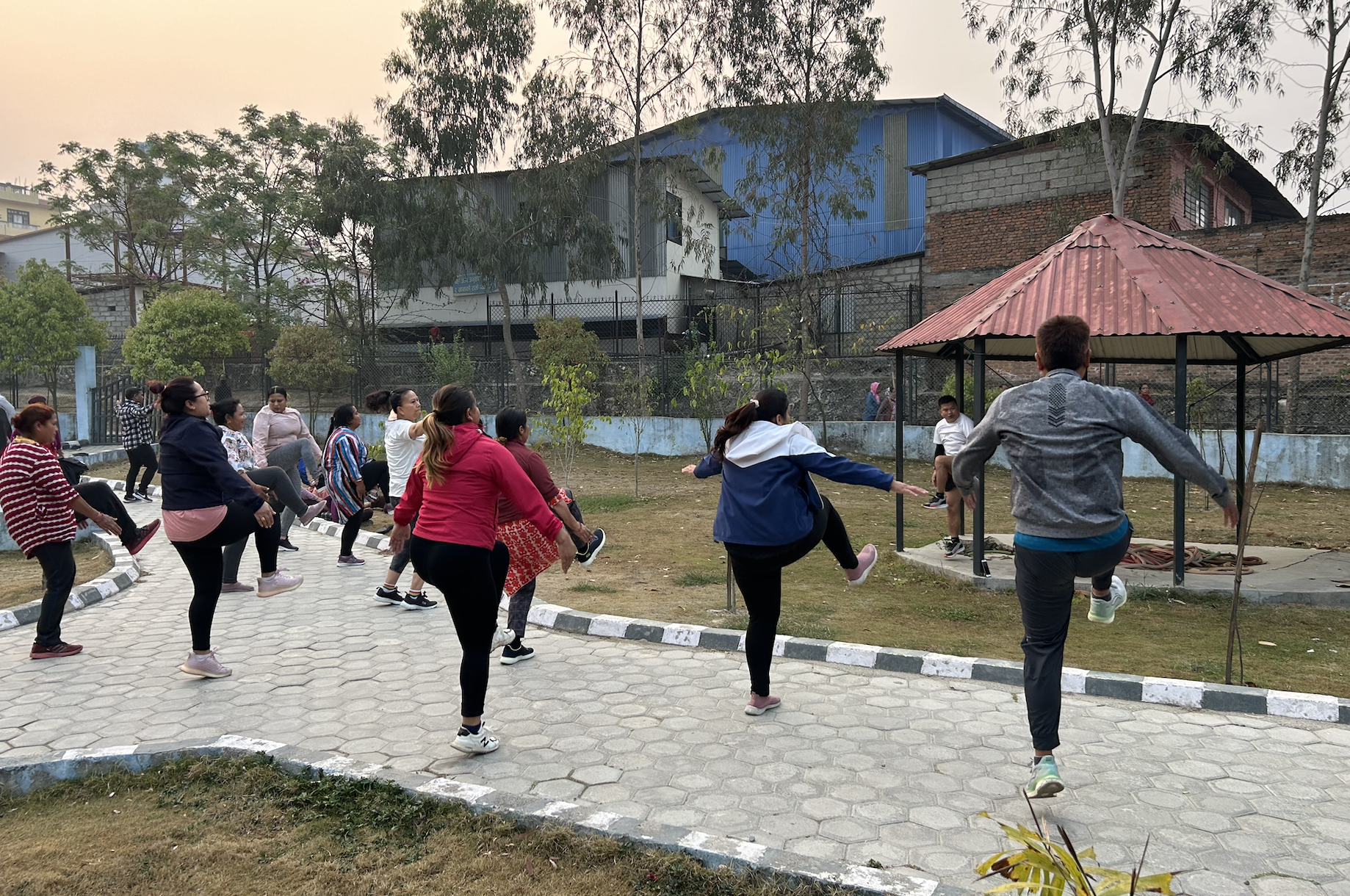
I never really thought much of public spaces. (neither ‘P’ nor ‘p’)
In early September, when I first came to New York City, Tanya & Andy threw me head first into the chaos that is New York City. Suddenly, I was navigating the subway, walking up Broadway, roaming through museums, learning about public housing, examining Open Streets, Plazas, and Public-Private Partnerships, holding discussions on historical monuments, and re-imagining remembrance and memory through the lens of privilege and access, justice and equity — all of which left me confused, filled with questions, excited and curious to learn more.
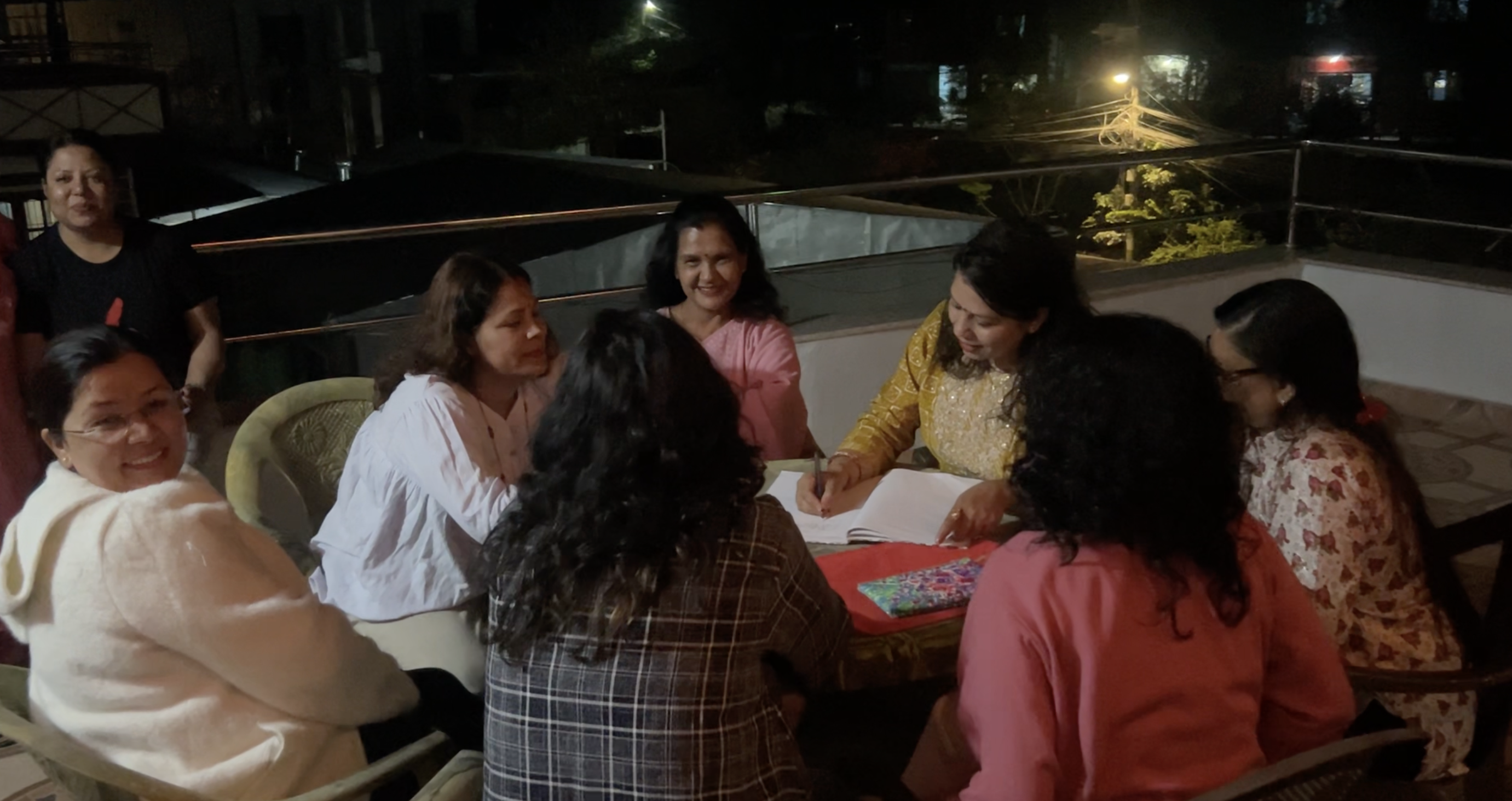
BUT I kept thinking about Kathmandu, and the open space that no longer exists where I spent a month after the earthquake in 2015; the park in front of my house that took almost 10 years to come to life; the space a group of mothers created in our neighborhood to open their homes to each other; Handigaun’s car free street that reflects the history of Kathmandu; evening walks to Boudha (world heritage site); multiple hikes to Shivapuri National Park (my favorite place). Suddenly I realized I was analyzing all these types of public spaces that shaped the life around me. It also left me wondering if the only reason I felt at peace going to temples in Kathmandu was because they are one of the only remaining open spaces where one can sit and reflect.
“We should focus on more important issues like health and education. And roads and transit and flooding that take away so many lives every year in Nepal.” This sentiment echoes in the minds of most Nepali people and it is not unreasonable to feel that way. While we are struggling to meet our basic needs, we may think access to public space is just a far-fetched dream, or something that comes with privilege. And maybe we are right.
As a 21 year-old on a gap year, I had the privilege to be in New York City and learn about the creation of public spaces in New York City, and their significance while also learning about public spaces back in Kathmandu. It's funny to think that I had to come all the way to New York City to learn about my own home.
My initial approach to public space came from a place of skepticism, questioning, and curiosity. Last semester, I tried to transform those feelings into a sense of hope through a policy memo that drew on New York City’s experiences to explore practical ways to manage and improve public spaces in Kathmandu.
This semester, I have moved away from facts and policies, and chosen to contemplate my favorite public space through personal memories, experiences, and observations, using stories to build a web archive.